Royalty Free AI Voice
Build a royalty free AI voice workflow from recordings you already own. Train a model on a voice you control, create reusable assets for demos and covers, and know exactly what you are publishing before it goes live.
RVC Voice Cloning
Create AI covers with your own voice or any voice model
Experimental Feature
Enter URL, upload, or drag & drop MP3/WAV file (max 50MB)
Control AI accent (higher = more similar to target voice)
What Is a Royalty Free AI Voice?
A controlled voice asset starts with what you own
A royalty free AI voice is not a marketing label — it is a workflow decision. A voice built from recordings you own outright gives you the clearest starting point. The term covers the voice itself, not the underlying song rights — those require a separate review before any distribution.
Starts with Voices You Control
A royalty free AI voice workflow is strongest when the training audio comes from your own recordings.
Reusable Voice Assets
Build a royalty free AI voice model once and reuse it for demos, covers, and creator projects.
Cover and Demo Support
A royalty free AI voice can power cover workflows, scratch vocals, and internal production tests.
Private Model Control
Keep your royalty free AI voice model under your own account — control who uses it and how.
Review Before Release
A good royalty free AI voice workflow includes a rights check before anything becomes public.
Better Than Random Presets
A royalty free AI voice built from your own recordings is clearer than depending on unknown third-party models.
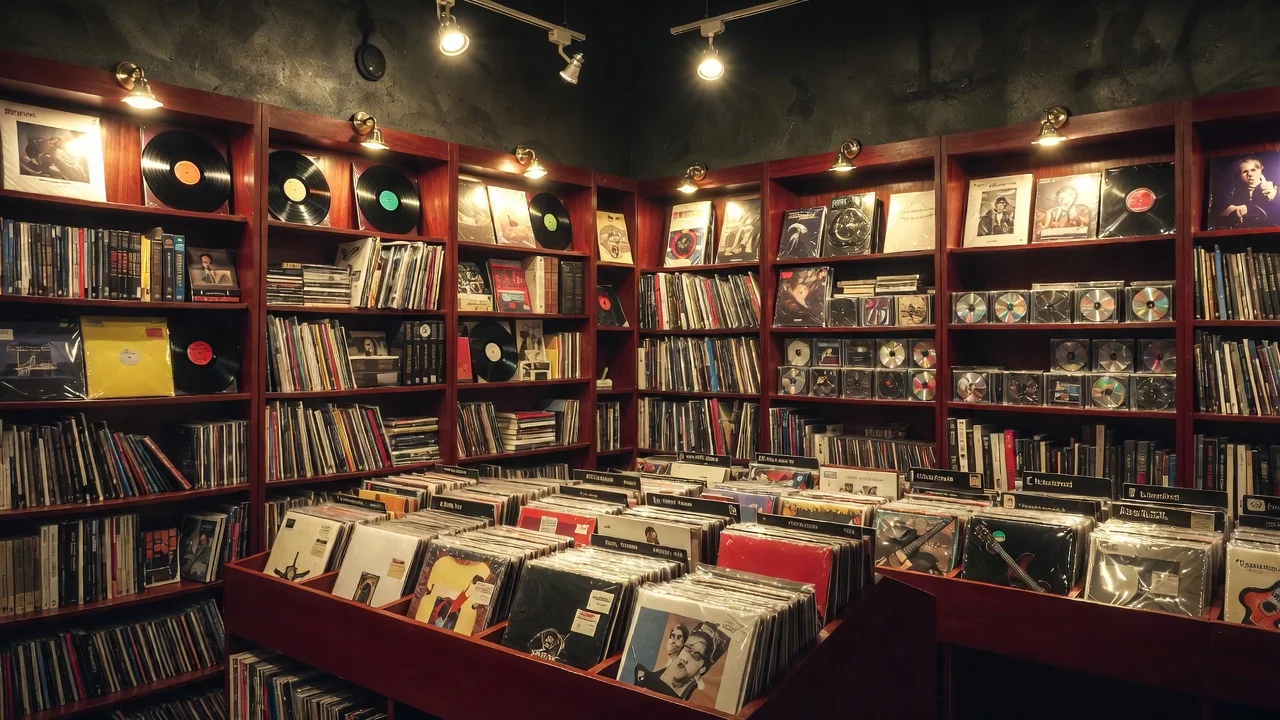
Owned Voice Source
The Cleanest Royalty Free AI Voice Starts with Your Own Recordings
Own the source and you own the workflow
Train your royalty free AI voice on recordings you already own. That gives you direct control over the model and makes the output easier to use for demos, creator assets, scratch vocals, and internal production work — without ambiguity about the source.
Demo Workflow
Use Your Royalty Free AI Voice for Demos and Toplines
A controlled voice works best before final recording decisions
A royalty free AI voice is especially useful in the demo phase. Producers use it for arrangement tests, topline experiments, and idea validation before they commit to final vocals and final rights review. It gives you something to work with while the creative decisions are still open.
Creator Consistency
Build a Consistent Creator Identity with Your Royalty Free AI Voice
Recurring content needs a voice you can reuse
Creators who post consistently need a voice they can rely on week after week. A royalty free AI voice built from your own recordings lets you maintain a consistent channel identity — the same voice, the same tone, the same recognisable format — without booking a new recording session for every upload.
Rights Review
A Royalty Free AI Voice Still Needs a Rights Review
Voice rights and song rights are two separate conversations
Even a well-built royalty free AI voice does not cover the song rights. Before you publish, review the distribution context, the underlying composition, and the output use case. The safest workflow combines model control with a proper rights check — not just one or the other.
How to Build a Royalty Free AI Voice Workflow
Set up your royalty free AI voice in 4 steps
1
Record a Voice You Own
Start your royalty free AI voice from recordings you own outright or have explicit permission to use.
2
Train the Model
Use those recordings to create the royalty free AI voice model you will apply in production.
3
Generate Draft Output
Apply your royalty free AI voice to demos, covers, and creator assets.
4
Review Before Publishing
Check song rights and distribution context before treating any royalty free AI voice output as final.
Why a Controlled Royalty Free AI Voice Workflow Works
Control beats vague safety claims every time
The best royalty free AI voice workflow gives you ownership over the source, the model, and the review process.
Ownership Starts at Training
Your voice model is only as clean as the recordings you trained it on.
Built for Internal Production
It is especially useful for demos, scratch vocals, and internal production work.
Clearer Than Public Libraries
Building your own model is clearer than relying on unknown preset voices with unclear rights.
Works in Cover Workflows
Apply it to cover and conversion tools when permissions are clearly in place.
Private by Default
Keep your model private and control exactly how it is used across projects.
Built for Review, Not Blind Publishing
A controlled approach assumes you will always check rights before going live.
Royalty Free AI Voice FAQ
Questions about controlled AI voice use
No. A royalty free AI voice depends on whether you own the source recordings and how you use the output. The label alone guarantees nothing.
Train the model on recordings you own outright. That gives you the clearest starting point for a genuine royalty free AI voice workflow.
A royalty free AI voice can be applied to cover workflows, but the voice rights and the song rights are separate. You need clearance for the underlying song before publishing commercially.
Possibly — but it alone does not cover the underlying song, the arrangement, or the master recording. Check distribution rights before going live.
Create demos, scratch vocals, creator assets, and voice experiments using a royalty free AI voice model trained on your own recordings.
Because a royalty free AI voice covers the voice — not the song, the arrangement, or the distribution. Safe publishing means reviewing all three.
Build Your Royalty Free AI Voice Workflow
Start with recordings you own. Train a royalty free AI voice model. Create controlled assets for demos, covers, and creator projects.